



BY  GENN
GENN
2026/06
Blog
What is the Service Life of NM400 Steel Plate?
1. What is NM400 Wear Resistant Steel Plate?
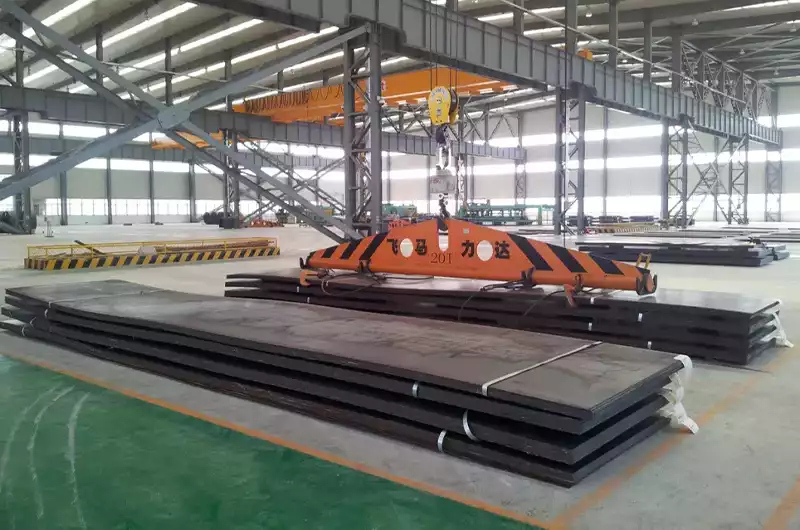
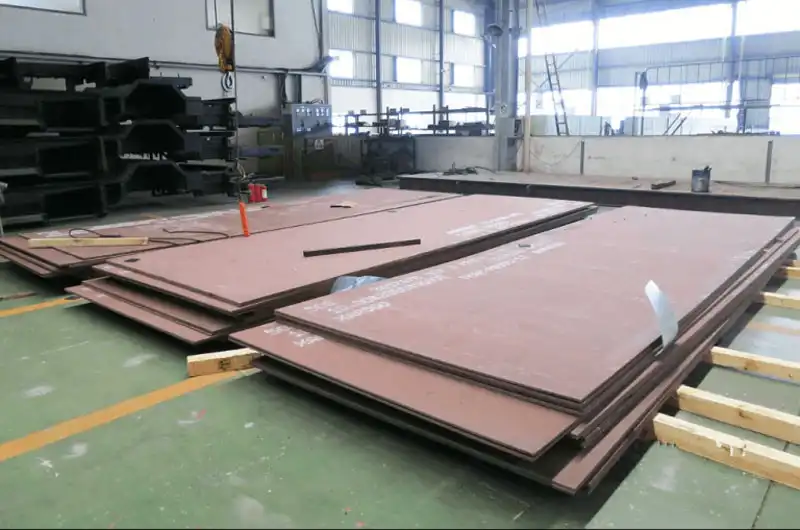
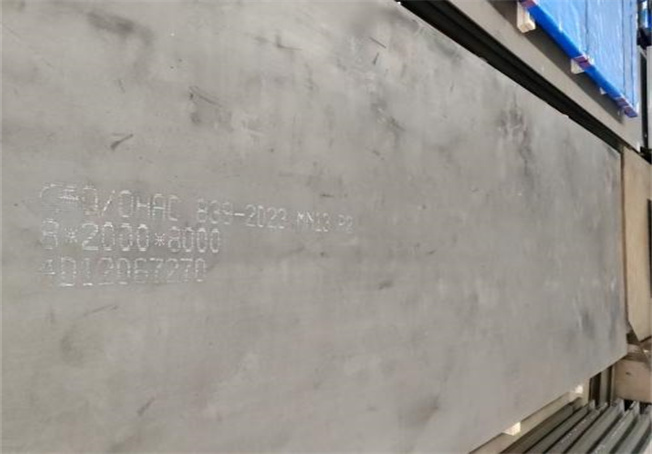
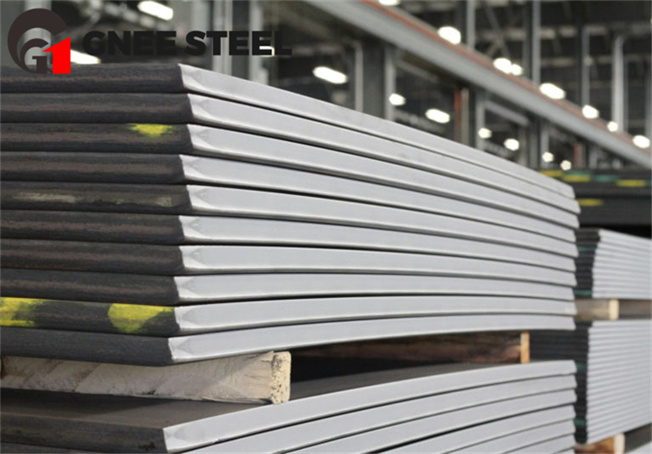
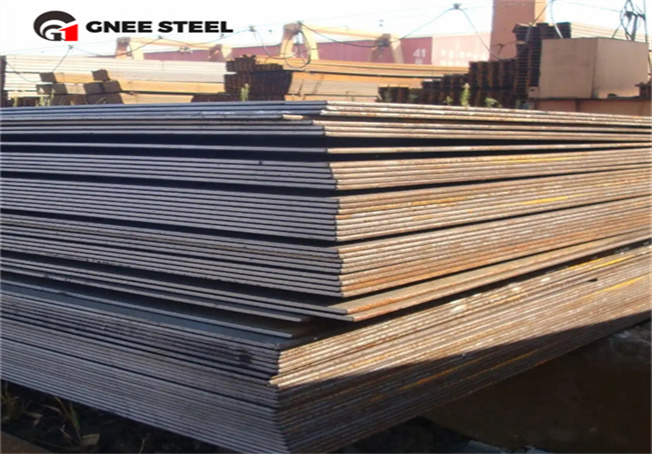
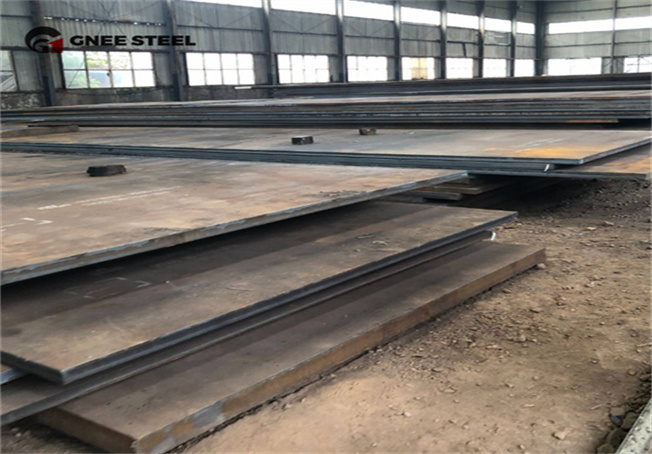
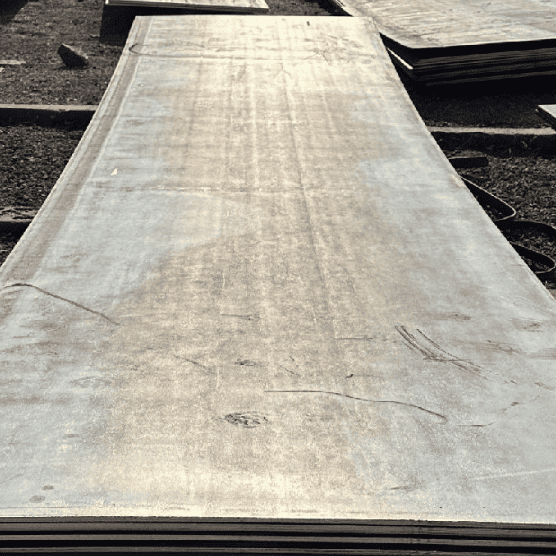
NM400 wear resistant steel plate is a high-strength abrasion-resistant steel with a nominal Brinell hardness of approximately 400 HBW. It is widely used in mining, construction, metallurgy, and heavy machinery industries where severe wear conditions exist.
The main purpose of NM400 is to reduce wear loss and extend equipment service life, rather than serve as a time-defined consumable material.
2. NM400 Steel Plate Service Life Characteristics
The service life of NM400 steel plate is not fixed or limited, and it is directly affected by operating conditions.
Key influencing factors of NM400 service life:
- Abrasion intensity of working environment
- Impact load and stress frequency
- Corrosion or chemical exposure
- Surface protection and coating system
- Manufacturing and heat treatment quality
- Installation and maintenance conditions
Therefore, NM400 service life = application-dependent performance lifespan
3. NM400 Anti-Corrosion Treatment Methods
To improve the service life of NM400 steel plate, anti-corrosion treatment is often applied on external surfaces and internal structures.
Common NM400 anti-corrosion technologies:
| Protection Method | Description | Application Purpose |
|---|---|---|
| Epoxy Coal Tar Coating | High chemical resistance coating | Industrial pipelines |
| Polyethylene (PE) Jacket | Physical barrier protection | Transportation & storage |
| 3PE Composite Coating | Epoxy + adhesive + PE layer | Long-distance pipelines |
| Epoxy Powder Coating | Electrostatic spraying system | General corrosion protection |
| PF Cold Applied Tape | Cold wrapped anti-corrosion tape | Field pipeline repair |
| RPC Rubber-Polymer Coating | Flexible corrosion protection | Complex pipeline structures |
| Asphalt Coating | Traditional low-cost protection | General steel protection |
4. How Corrosion Protection Extends NM400 Service Life
Anti-corrosion NM400 steel plate is designed to resist both chemical corrosion and electrochemical reaction during transportation and operation.
Main performance benefits:
- Reduces corrosion rate in humid and acidic environments
- Prevents oxidation during storage and transport
- Improves surface stability under long-term operation
- Extends maintenance cycle and reduces downtime
- Lowers total lifecycle cost of equipment
In engineering practice, proper coating systems can extend NM400 service life by 30%–80% depending on environment conditions
5. NM400 Service Life in Different Working Environments
| Working Environment | Wear Level | Expected Service Performance |
|---|---|---|
| Mining & Crushing | Very High | Short–Medium (high wear loss) |
| Cement Industry | High | Medium service life |
| Coal Handling Systems | High | Medium–Long with coating |
| Metallurgical Plants | Medium–High | Long service life |
| Mild Industrial Use | Low | Very long service life |
| Cold Regions (Freeze/Thaw) | Variable | Requires insulation + coating |
6. Thermal Stress and Environmental Impact on NM400
In low-temperature regions or seasonal climates, NM400 steel may experience:
- Thermal expansion and contraction stress
- Coating cracking risk
- Moisture freezing and surface damage
- Accelerated corrosion if unprotected
Therefore, insulation + anti-corrosion coating is often required in engineering design.
7. NM400 Service Life Summary
| Condition | Service Life Characteristic |
|---|---|
| No protection | Highly dependent on wear environment |
| Standard use | Medium to long lifespan depending on abrasion |
| With anti-corrosion coating | Extended by 30%–80% |
| Optimized system design | Maximum lifecycle performance |
NM400 does not have a fixed lifespan; it is a performance-based wear-resistant material
8. Conclusion
NM400 wear resistant steel plate is designed for high abrasion environments, and its service life is not defined by time but by operating conditions.
With proper anti-corrosion protection systems such as 3PE coating, epoxy powder, or cold-applied tapes, NM400 can significantly reduce corrosion damage, extend equipment lifespan, and lower maintenance costs.
It is widely used in mining, construction, cement, metallurgy, and heavy-duty industrial applications where durability and cost efficiency are critical.