




BY  GENN
GENN
2026/06
Blog
What is NM400 Wear-Resistant Steel Plate and Its Service Life?
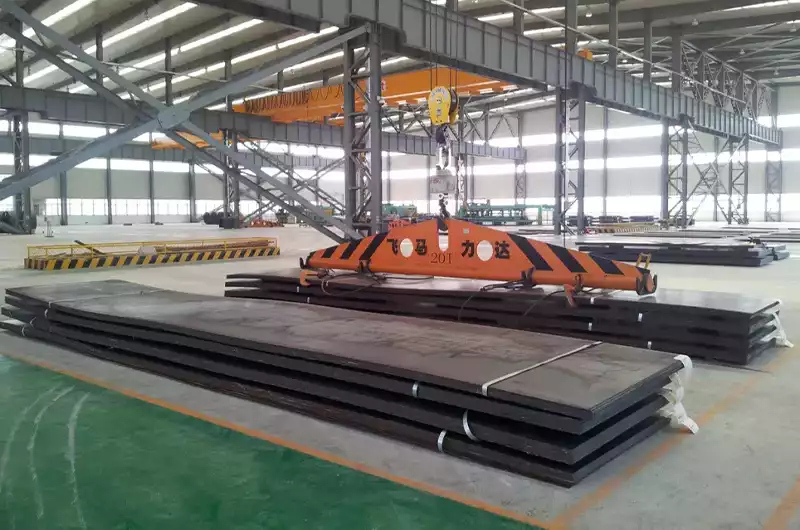
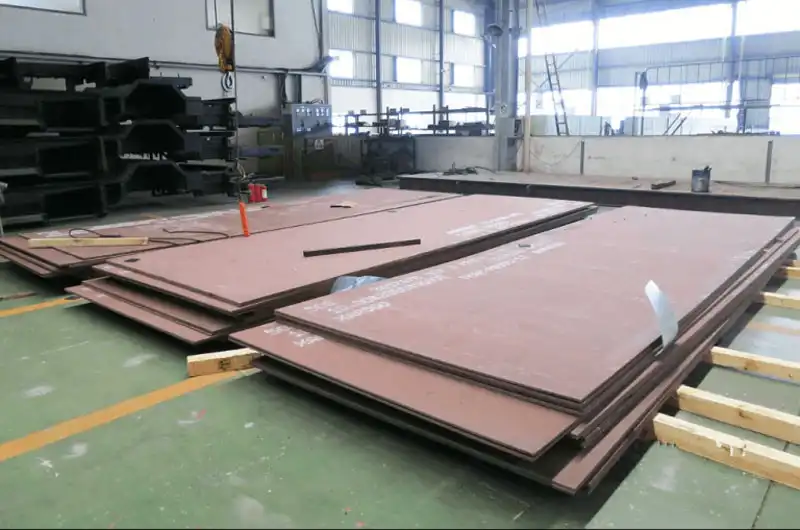
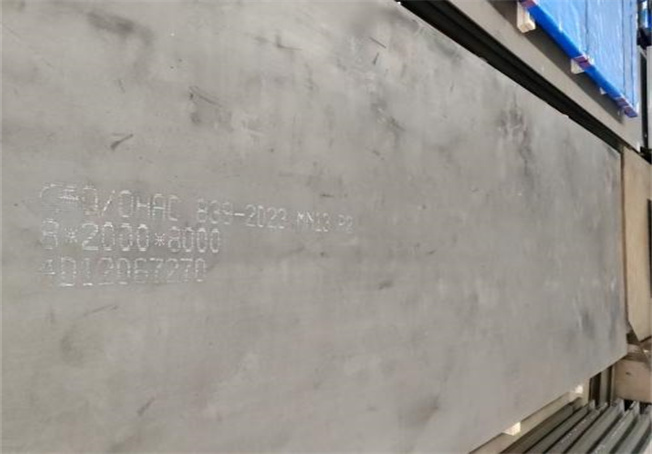
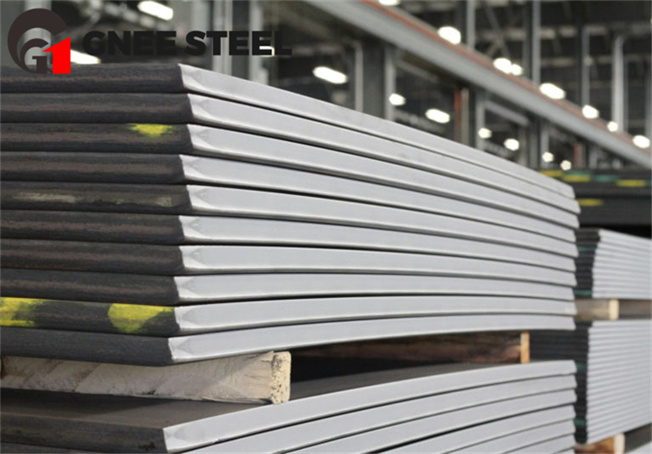
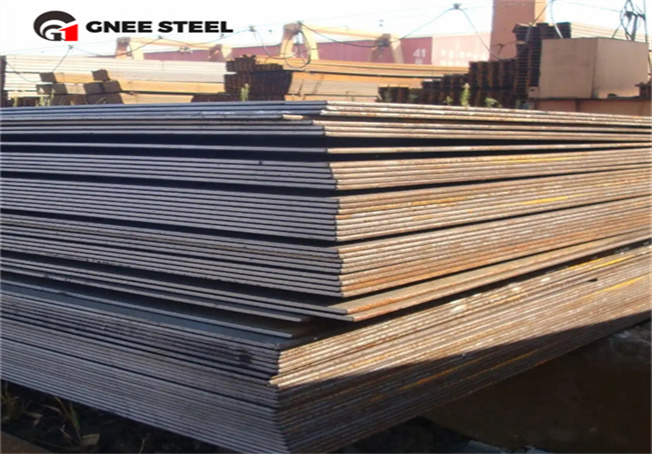
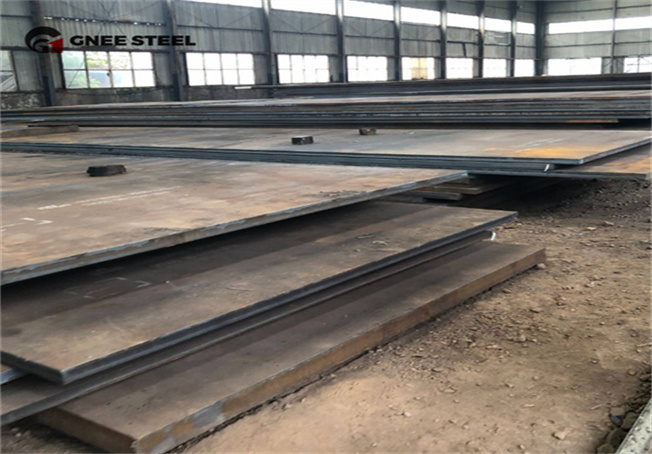
NM400 Wear-Resistant Steel Plate is a high-strength, abrasion-resistant steel plate, where “NM” represents the Chinese pinyin for “wear-resistant” and “400” denotes its Brinell hardness value (HBW). In theory, the service life of NM400 steel plate is not strictly limited; rather, it is highly dependent on working conditions, wear mechanisms, and subsequent anti-corrosion treatments.
To comprehensively extend the service life of NM400 wear-resistant steel plates in complex and harsh environments, modern industrial processes typically apply deep anti-corrosion treatments to both the outer surfaces and inner diameters.
-
Role of Anti-Corrosion Processing: Anti-corrosion NM400 steel plates, processed via specialized protective technologies, effectively prevent or slow down rust and deterioration caused by chemical or electrochemical reactions during transport and operation.
-
Core Benefits: By establishing an efficient anti-corrosion barrier, direct contact between corrosive media and the steel surface is blocked. This significantly multiplies the overall service life of the steel plate while maintaining its original ultra-high wear resistance, thereby drastically reducing long-term operational and maintenance costs.
Specifications and Anti-Corrosion Technical Parameters
| Item | Description |
| Product Name | NM400 Wear-Resistant Steel Plate / Anti-Corrosion Pipes & Structural Parts |
| Core Characteristics | High hardness (~400 HBW), superior abrasion resistance, extended corrosion life |
| Common Anti-Corrosion Methods | Three-layer PE composite structure (3PE), Single-layer Fusion Bonded Epoxy (FBE), PF/RPC cold-applied tapes |
| Main Coating Materials | Petroleum asphalt, epoxy coal tar pitch, coal tar enamel, epoxy powder, PE jacket/foam jacket |
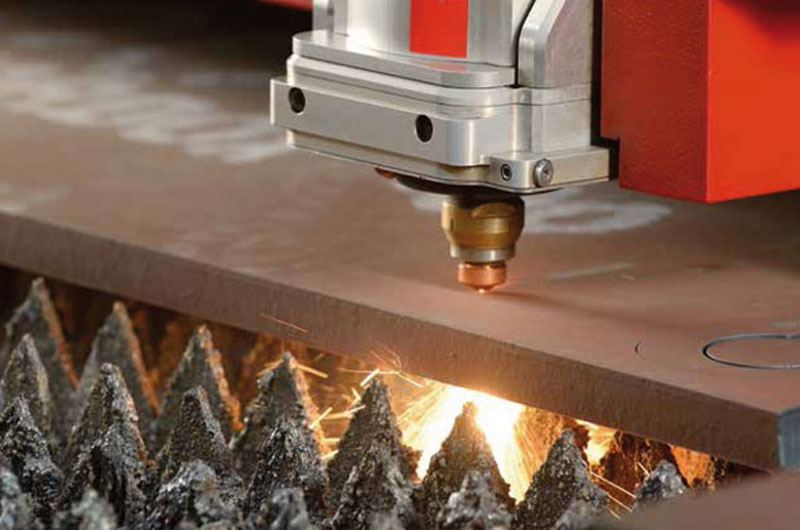
| Fabrication Services | Laser/plasma cutting, precision bending, structural welding, internal/external coating, custom fabrication |
| Primary Applications | Mining machinery, refined oil pipelines, transport networks in cold regions, heavy equipment wear parts |
Technical Features of Anti-Corrosion Coatings and Cold-Applied Tapes
In industrial pipeline and structural engineering, a wide variety of coating systems are utilized for NM400 wear-resistant products. The most common methods include 3PE composite structures, single-layer FBE, and PF/RPC cold-applied tapes.
1. Key Characteristics of Cold-Applied Tapes and 3PE Heat Shrink Sleeves
-
High Versatility: Cold-applied tapes (such as PF-type epoxy coal tar cold tapes and RPC-type rubber-plastic epoxy coal tar cold-wrapped tapes) and 3PE heat shrink sleeves feature exceptional material compatibility. They are suitable as primary anti-corrosion coatings for a wide range of base materials and are ideal for field joint coating and repairs.
-
Limitations of Other Methods: In contrast, conventional coating methods are often restricted to the same or highly similar materials as the parent structure, offering less flexibility during field installation.
2. Dual Demands: Anti-Corrosion and Thermal Insulation
As pipeline networks expand into more severe climates, NM400 products must combine corrosion protection with thermal insulation.
-
Refined Oil Pipelines: Petroleum is a highly complex mixture that easily corrodes steel steel, making robust anti-corrosion mandatory. However, pipelines carrying refined oil also require proper insulation to maintain fluid temperature.
-
Applications in Frigid Regions: In extremely cold regions and during harsh winters, NM400 products can experience physical stress due to thermal expansion and contraction, leading to frost cracking if insulation is inadequate. Implementing integrated structures like 3PE foam jackets or polyethylene outer casings prevents freeze-thaw damage, ensuring a stable and secure industrial supply even in sub-zero environments.
Rigorous Quality Inspection System
To ensure that factory-delivered NM400 anti-corrosion wear-resistant steel plates fully comply with international and domestic engineering standards, five core inspections are strictly performed:
-
Chemical Composition Testing: 100% spectrometric analysis to verify precise alloying ratios of Carbon (C), Manganese (Mn), Chromium (Cr), and other elements.
-
Mechanical & Hardness Testing: Tensile, bending, and Brinell hardness (HBW) re-tests to guarantee the steel consistently meets the 400-grade hardness standard.
-
Coating Thickness & Holiday Detection: Ultrasonic thickness gauges and high-voltage holiday detectors ensure the anti-corrosion coating is uniform, pinhole-free, and crack-free.
-
Low-Temperature Impact Testing: Charpy V-notch impact tests are conducted under simulated winter conditions to eliminate any cracking risks caused by thermal contraction.
-
Surface Quality & Visual Inspection: 100% visual and automated inspection to guarantee no slag inclusions or laminations, securing a long operational lifespan.
One-Stop Custom Fabrication & Delivery Solutions
-
Value-Added Processing: We provide precision flame/plasma cutting, custom bending, expert welding using matching wear-resistant electrodes, and comprehensive surface shot-blasting prior to coating.
-
Seaworthy Packaging & Logistics: Products are secured with heavy-duty steel strapping and waterproof rust-preventative wrapping. For coated plates and pipes, additional bubble wrap or waterproof paper layers are added along with wooden cradles or pallets to prevent friction or damage during long-distance ocean freight or railway transport, ensuring flawless on-site delivery.