



BY  GENN
GENN
2026/03
Blog
What is Features and usage of NM400 steel plate
In industries where abrasion, impact, and material wear are constant challenges, selecting the right steel plate is not just a technical decision—it is a cost-control strategy.
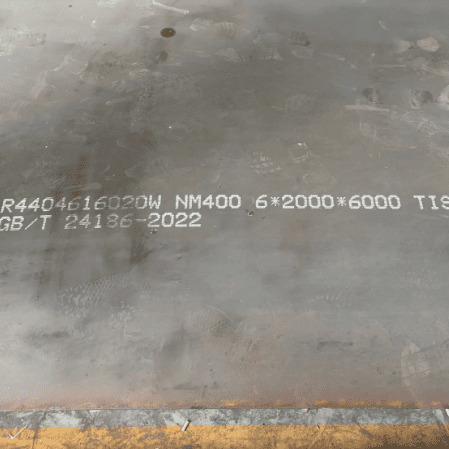
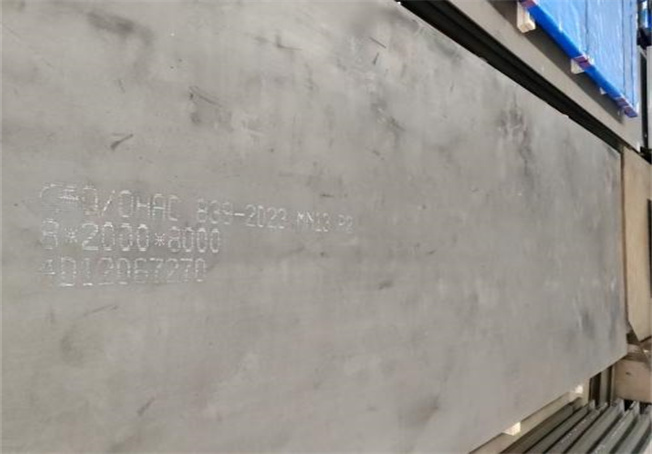
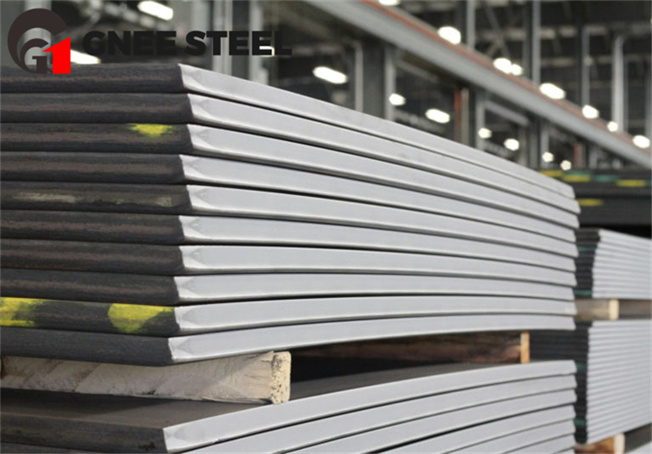
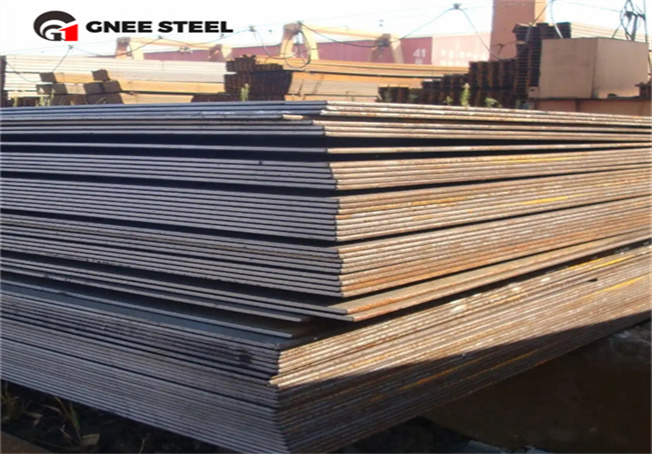
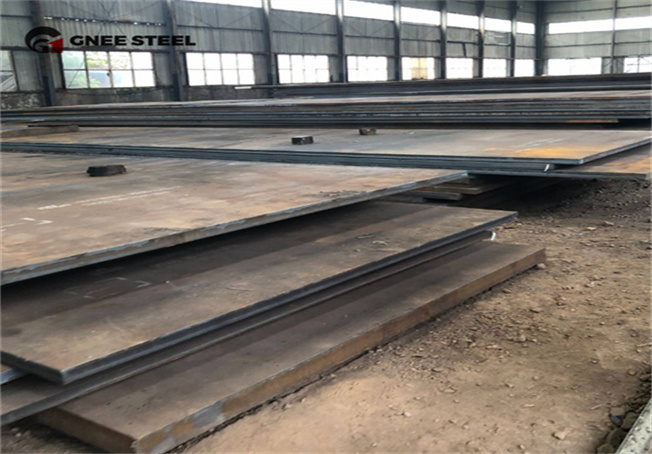
NM400 Plate
Among various wear-resistant materials, NM400 steel plate has emerged as one of the most widely used solutions due to its balance of hardness, toughness, and economic efficiency.
Rising Demand for Wear-Resistant Steel
With the rapid expansion of mining, construction, and heavy equipment manufacturing, the demand for wear-resistant steel plates continues to grow.
Equipment such as excavators, dump trucks, crushers, and conveyor systems are exposed to extreme wear conditions daily.
Traditional carbon steel often fails prematurely, leading to frequent replacements and increased maintenance costs.
This is where NM400 steel plate stands out as a reliable alternative.
Key Features of NM400 Steel Plate
1. High Hardness for Superior Wear Resistance
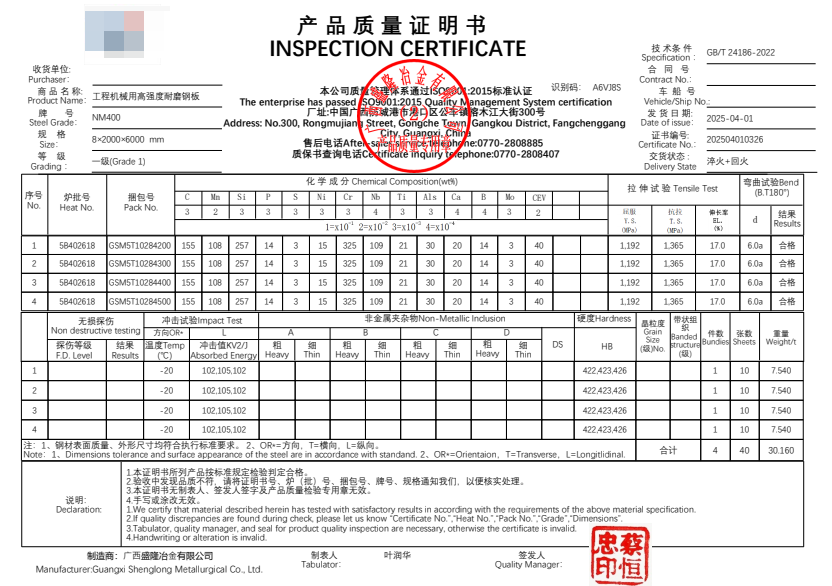
NM400 steel plate typically has a hardness of around 400 HBW (Brinell Hardness), which gives it excellent resistance against abrasion and surface wear. This significantly extends the service life of equipment components.
2. Balanced Toughness and Impact Resistance
Unlike higher hardness grades such as NM500, NM400 offers better toughness. This makes it suitable for applications where both wear and impact occur, reducing the risk of cracking or brittle failure.
3. Good Weldability and Workability
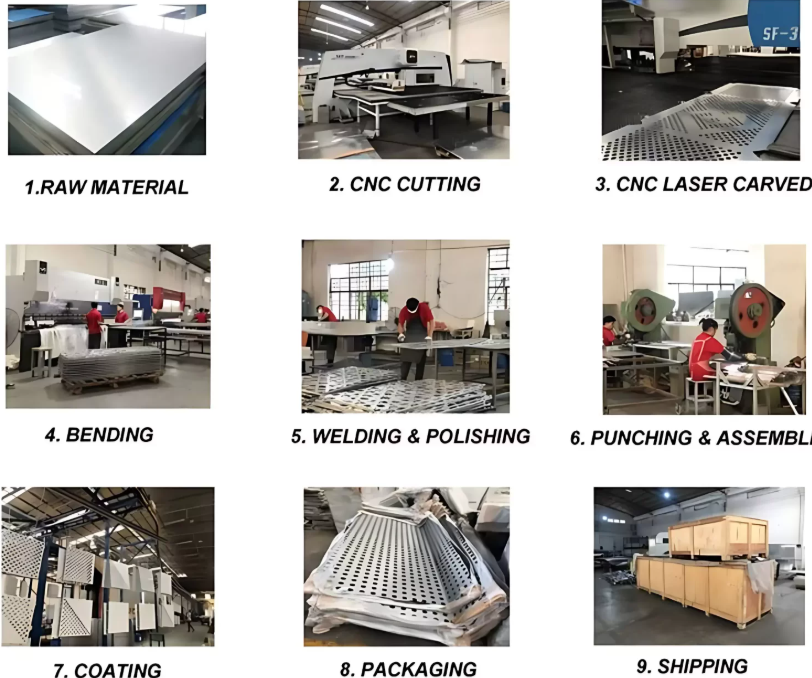
Despite its high hardness, NM400 maintains good weldability and can be cut, bent, and machined with proper techniques. This allows manufacturers to fabricate complex parts without excessive processing costs.
4. Cost-Effective Performance
From a lifecycle perspective, NM400 provides an optimal balance between price and performance. For many applications, it delivers sufficient wear resistance without the higher cost associated with ultra-hard grades.
Common Applications of NM400 Steel Plate
NM400 steel plate is widely used across multiple heavy-duty industries:
- Mining Equipment: liners, buckets, hoppers, and crushers
- Construction Machinery: excavator buckets, loader blades, dump truck bodies
- Cement Industry: chute liners, fan blades, and grinding components
- Material Handling Systems: conveyor liners and transfer points
Its versatility makes it a preferred choice for engineers seeking durability without over-specifying materials.
NM400 vs Higher Hardness Grades: Is Harder Always Better?
A common misconception in the market is that higher hardness automatically means better performance. However, this is not always true. While NM500 offers higher wear resistance, it also comes with increased brittleness and cost.
In applications involving heavy impact or dynamic loads, NM400 often provides better overall reliability and safety, making it the smarter engineering choice.
Market Outlook and Industry Insight
As industries continue to focus on reducing downtime and optimizing maintenance costs, NM400 steel plate is expected to maintain strong market demand. Its ability to deliver consistent performance across a wide range of applications ensures its position as a “go-to” material in wear-resistant solutions.
NM400 steel plate is more than just a material—it is a strategic investment in durability and efficiency.
With its combination of high hardness, good toughness, and cost-effectiveness, it remains one of the most practical choices for industries facing severe wear conditions.
What is NM400 steel?
NM400 Steel is a high-strength, wear-resistant steel known for its superior durability and toughness. NM400 is a Chinese GB standard steel grade. The NM 400 material is widely used in industries where resistance to abrasion is important, such as in the construction and mining sectors
What is the difference between Hardox 400 and NM400?
Hardox 400 generally contains a higher chromium (Cr) and nickel (Ni) content, which contributes to better hardness and toughness, while NM400 maintains a balance between cost and performance.