



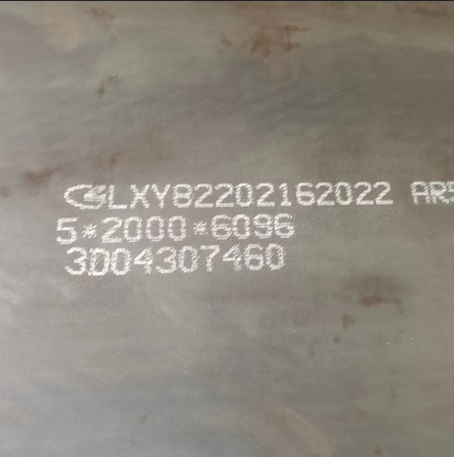
BY  GENN
GENN
2026/05
Blog
What is Difference Between the AR 400 and AR 500 Steel Plates
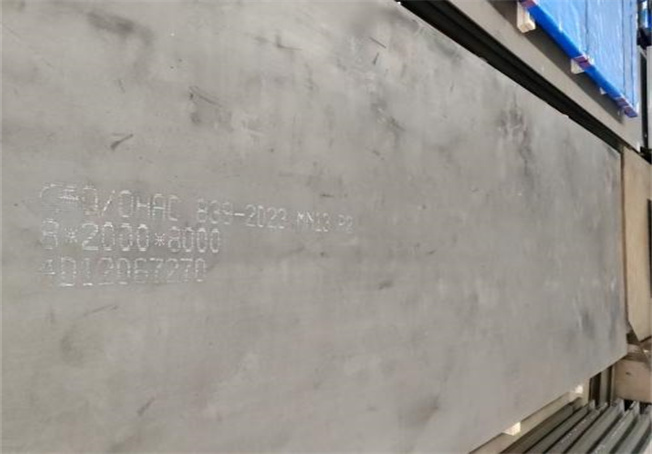
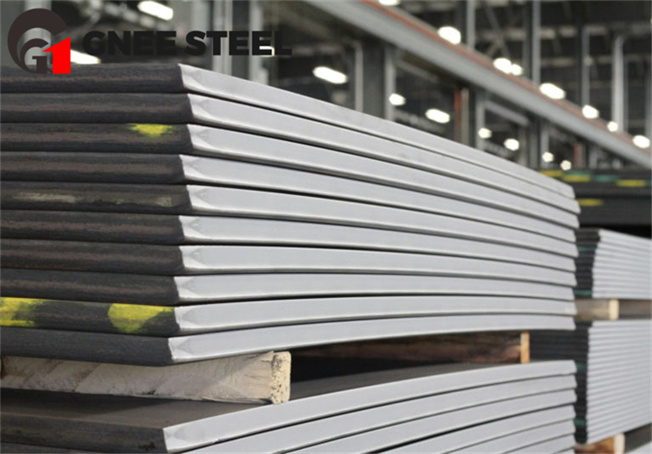
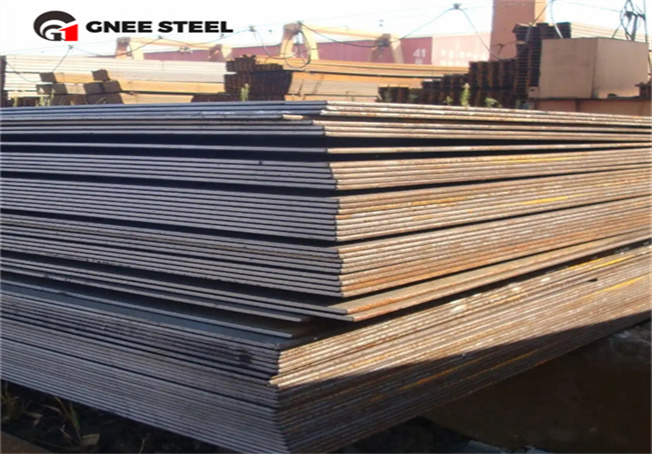
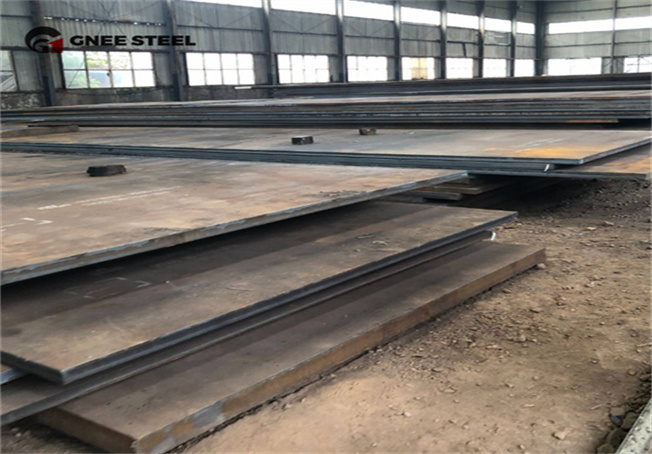
AR 400 and AR 500 abrasion-resistant (AR) steel are the industry standards for durability in extreme environments. While both are designed to withstand heavy wear, their unique mechanical properties dictate their specific use in mining, construction, and ballistic protection.
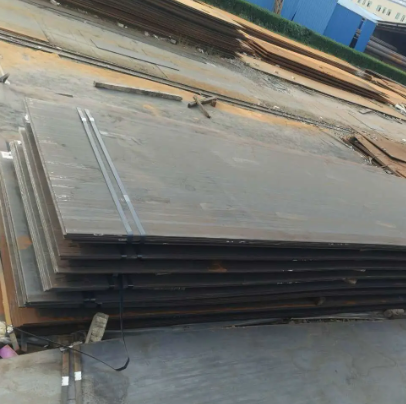 AR500
AR500
Core Difference of AR 400 and AR 500 abrasion-resistant steel plates
The primary distinction lies in the Brinell Hardness Number (HB).
-
AR 400 (400 HB): Designed for moderate to heavy wear. It offers a balanced performance between hardness and flexibility.
-
AR 500 (500 HB): Optimized for extreme abrasion resistance. It is significantly harder, making it the preferred choice for high-wear environments where material longevity is the top priority.
Mechanical Properties & Performance of AR 400 and AR 500
Choosing between these grades involves a trade-off between toughness and hardness:
-
Impact Resistance (Toughness):
-
AR 400 features superior ductility and toughness. It can absorb energy and resist cracking under high-impact or dynamic loading.
-
AR 500 is more brittle. While it excels at resisting sliding abrasion, it is more prone to cracking when subjected to severe sudden impacts.
-
-
Fabrication (Machinability & Weldability):
-
AR 400 is the “user-friendly” grade. Its lower hardness makes it easier to cut, drill, and machine. It also offers better weldability with standard precautions.
-
AR 500 requires specialized tools and strict heat input control during welding to prevent compromising its structural integrity and hardness.
-
Comparison Table
| Feature | AR 400 Steel | AR 500 Steel |
| Nominal Hardness | 400 Brinell (HB) | 500 Brinell (HB) |
| Primary Strength | Toughness & Impact Resistance | Maximum Wear & Abrasion Resistance |
| Machinability | High (Easier to fabricate) | Low (Requires specialized tools) |
| Weldability | Good (Standard procedures) | Fair (Requires strict heat control) |
| Cracking Risk | Low (High ductility) | Moderate (Higher brittleness) |
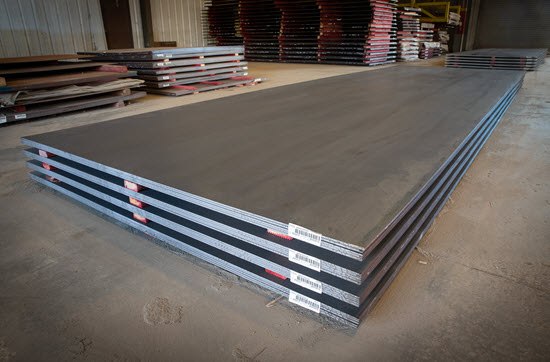
ar400
Industry Applications of AR400 and AR500 Steel Plate
-
AR 400 Applications: Ideal for equipment facing high impact and moderate wear.
-
Keywords: Dump truck bodies, crushers, hoppers, chutes, heavy machinery liners, earth-moving equipment.
-
-
AR 500 Applications: Best for environments with severe sliding friction or high-velocity impacts.
-
Keywords: Ballistic plates, shooting targets, armored vehicles, ore pockets, mining conveyors, agricultural wear parts.
-
Choose AR 400 if your project requires a material that is easy to form and weld, or if the equipment will face heavy impact/shocks. Choose AR 500 if your priority is maximum service life against constant sliding abrasion or if you require ballistic protection.
FAQ
What is AR500 steel?
What is AR500 Steel? Much like AR450 and AR400, AR500 steel is a specific type of abrasion resistant steel with a surface hardness of 477-534 BHN. It is a high-carbon steel alloy that provides greater impact and sliding abrasion resistance by comparison.
Is AR500 Armor legal to own?
Body armor is legal to own in most states for law-abiding citizens. However, New York and Connecticut are governed by tyrants and have enacted laws to inhibit your ability to purchase armor.
How bulletproof is AR500 steel?
A thickness of 6.5 mm of AR500 is typically sufficient to protect against a NATO standard 5.56 mm caliber bullet, the SS109. Once processed, AR500 armor can be rated at NIJ Level III, designed to withstand fire from 7.62×51 mm rounds.
Can AR500 steel be welded?
AR500 steel can be welded, but it requires specialized techniques and equipment. Due to its high carbon content, the steel is prone to cracking and distortion during the welding process. Welding should only be done by experienced welders who have experience working with high-strength materials.