



BY  GENN
GENN
2026/04
Blog
What are the properties of NM500 Steel Plate
For operations exposed to continuous abrasion, impact loading, and high material flow, material selection directly determines maintenance frequency and downtime cost.
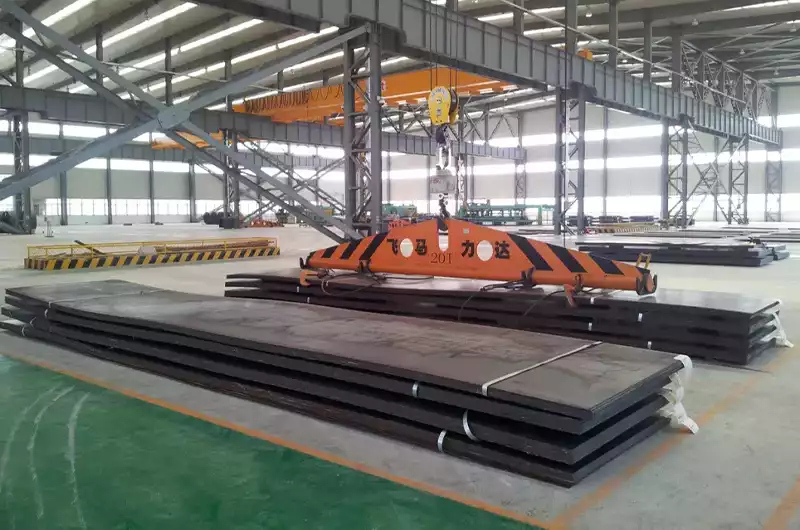
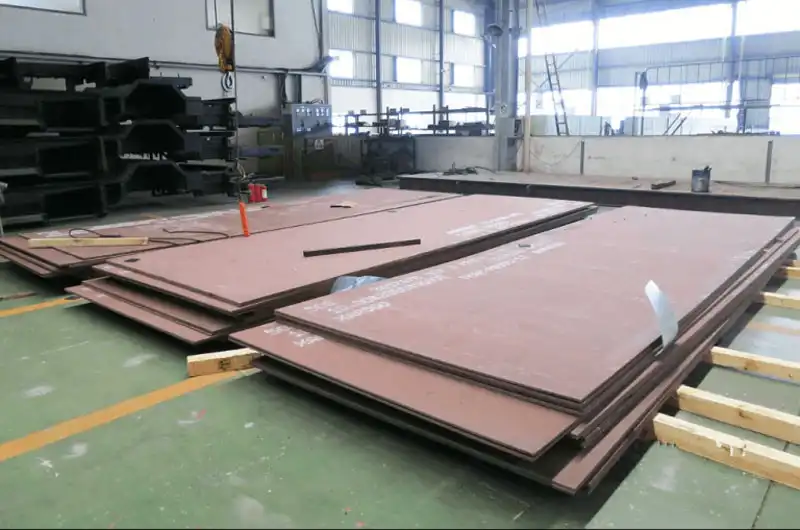
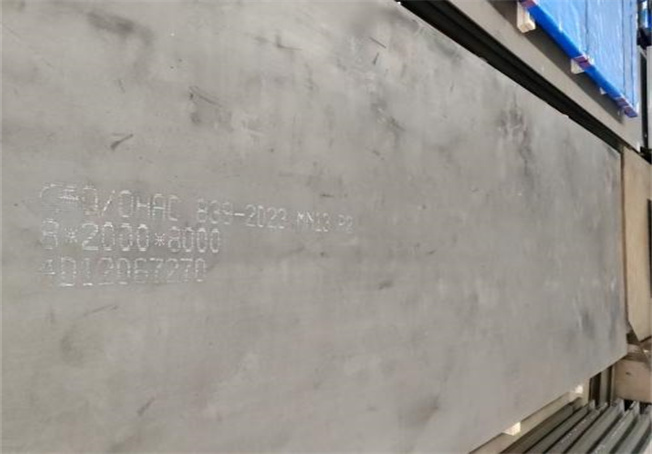
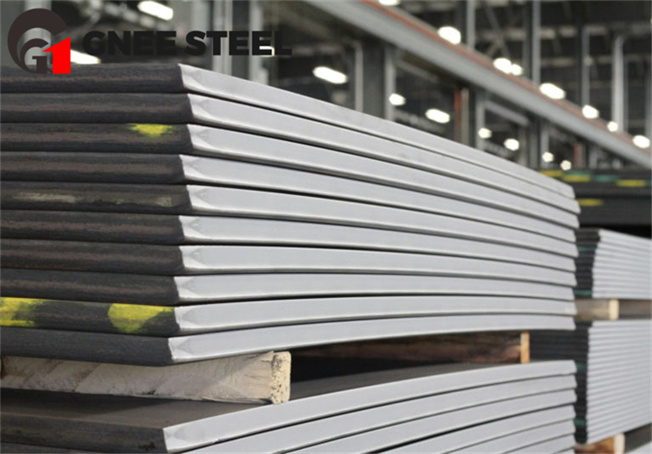
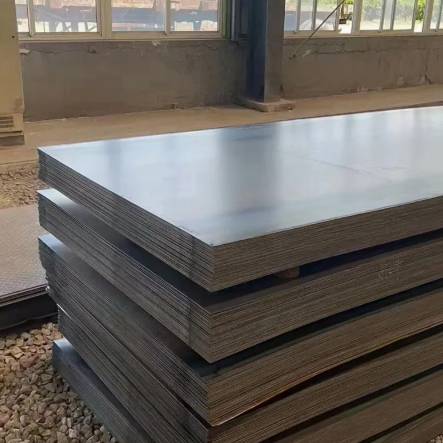
GNEE supplies NM500 wear-resistant steel plates (470–540 HBW) with full processing services, delivering ready-to-install components instead of raw plates, helping customers reduce fabrication workload and total operating cost.
What NM500 Means in Real Applications
NM500 is not just a “high hardness plate”—it is typically used to replace fast-wearing structural parts in high-abrasion zones.
Practical Example (Chute Liner Replacement)
| Material | Average Service Life | Replacement Frequency |
|---|---|---|
| Mild Steel (Q235) | 2–3 months | 4–5 times/year |
| NM400 | 5–6 months | 2 times/year |
| NM500 | 8–10 months | 1–1.5 times/year |
Switching to NM500 can reduce replacement cycles by 50–70%, which directly lowers:
- Equipment downtime
- Labor cost
- Spare parts inventory
Mechanical Properties of NM500
Standard Mechanical Data
| Property | Value |
|---|---|
| Hardness | 470 – 540 HBW |
| Tensile Strength | 1250 – 1700 MPa |
| Yield Strength | ≥ 1000 MPa |
| Elongation | ≥ 7% |
| Impact Toughness | ≥ 24 J (-20°C) |
What These Values Mean in Practice
- 470–540 HBW Hardness
→ Determines abrasion resistance
→ Every +50 HBW typically increases wear life by 15–20% - ≥1000 MPa Yield Strength
→ Prevents permanent deformation under heavy loads
→ Critical for dump truck floors and hopper liners - Impact Toughness ≥24J (-20°C)
→ Prevents brittle cracking under sudden impact
→ Suitable for mining environments with falling materials
NM500 provides a balance between hardness and toughness, not just extreme hardness.
Chemical Composition of NM500
| Element | Function |
|---|---|
| Carbon (C) | Provides hardness while controlled to avoid brittleness |
| Manganese (Mn) | Improves strength and hardenability |
| Chromium (Cr) | Enhances wear resistance |
| Molybdenum (Mo) | Improves toughness and reduces temper brittleness |
| Boron (B) | Increases hardenability even at very low levels |
Key Point:
This alloy design ensures uniform hardness through thickness, not just surface hardness.
Where NM500 Creates Real Cost Savings
Most buyers focus only on price per ton, but the real metric is lifecycle cost (LCC).
Example – Dump Truck Body Liner
| Material | Plate Life | Annual Replacement | Total Cost Impact |
|---|---|---|---|
| Mild Steel | ~3 months | 4 times | High |
| NM400 | ~6 months | 2 times | Medium |
| NM500 | 8–10 months | 1–1.5 times | Lowest |
Savings come from:
- Reduced downtime (most critical factor)
- Lower labor cost for replacement
- Reduced spare part inventory
Processing NM500 – Critical Technical Challenges
NM500 performance depends heavily on correct processing methods. Improper handling can reduce hardness or cause cracking.
1. Cutting (Heat-Affected Zone Control)
Problem:
- Flame cutting creates a large heat-affected zone (HAZ)
- Edge hardness may drop below 400 HB
GNEE Solution:
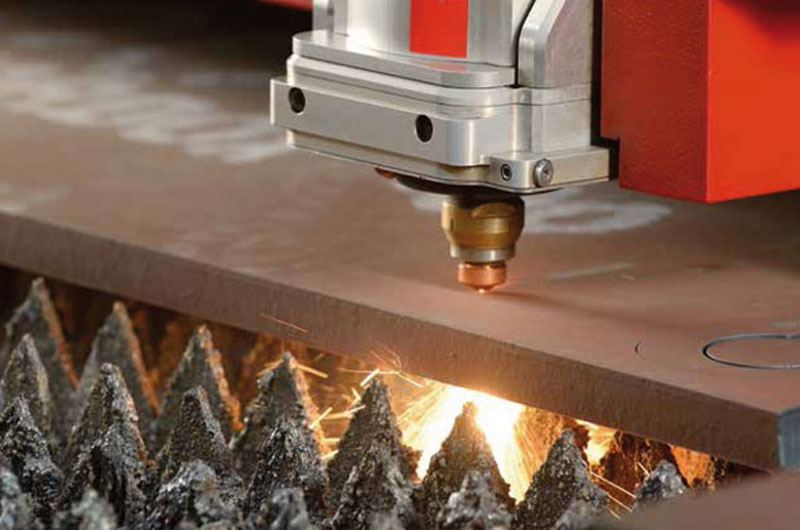
- CNC underwater plasma cutting
- Laser cutting with controlled heat input
Result:
- Edge hardness remains close to 500 HBW
- No need for secondary hardening
2. Drilling (High Hardness Machining)
Problem:
- Standard tools fail on 500 HB plates
- Tool wear and breakage are common
GNEE Solution:
- Carbide-tipped tools
- Low-speed, high-torque CNC drilling
Result:
- Stable hole accuracy
- Reduced tool consumption
3. Bending (Crack Prevention)
Problem:
- High hardness increases risk of surface cracking
- Strong springback effect
GNEE Control Method:
| Parameter | Recommendation |
|---|---|
| Minimum Bending Radius | ≥ 6–8 × plate thickness |
| Equipment | Large-tonnage press |
| Process | Controlled forming speed |
Result:
- No surface cracks
- Consistent forming quality
Welding NM500 – Practical Guidelines
NM500 is sensitive to cold cracking, especially in thick plates.
Recommended Welding Parameters
| Parameter | Value |
|---|---|
| Preheating Temperature | 150–200°C |
| Welding Consumables | Low-hydrogen electrodes |
| Cooling | Slow cooling recommended |
Important:
Without preheating, cracks may appear 24–48 hours after welding (delayed cracking).
GNEE Processing Capabilities
Unlike standard suppliers, GNEE provides integrated processing services:
- Precision cutting (plasma / laser)
- CNC drilling
- Heavy-duty bending
Practical benefit:
Customers receive finished parts, reducing:
- Fabrication time
- Equipment investment
- Labor cost
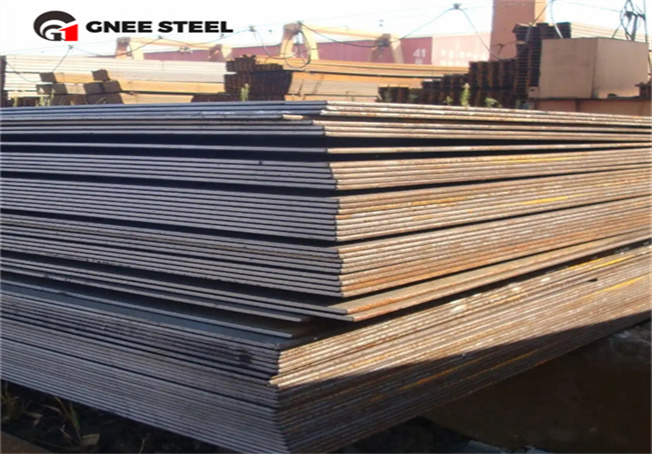
Export Packaging System
Improper packaging often leads to:
- Edge damage
- Rust during sea transport
GNEE Packaging Method
- Anti-rust oil coating
- VCI waterproof paper + plastic film
- Steel strapping with reinforced pallets
- Edge protection for finished parts
Result:
- Protection against salt spray corrosion
- Zero damage during handling and transport
Why Choose GNEE for NM500 Steel?
1. Finished Solutions, Not Just Raw Material
Most suppliers only deliver plates.
GNEE delivers cut, drilled, and formed components ready for installation.
2. Verified Quality Assurance
Each shipment includes:
- Mill Test Certificate (MTC)
- Third-party inspection support (SGS / BV / TUV)
Ensures hardness and composition meet NM500 standards
3. Fast Delivery for Industrial Projects
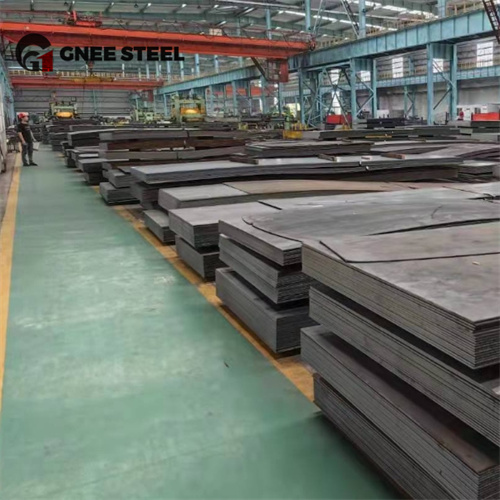
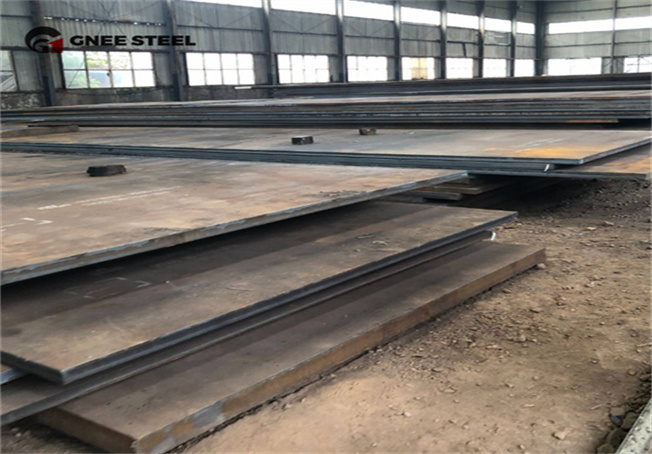
- Large stock availability
- Standard orders shipped within 3–7 days
Critical for urgent maintenance and replacement projects
If your equipment suffers from:
- Frequent wear
- High replacement cost
- Unplanned downtime
Then NM500 wear-resistant steel is not just a material upgrade—it is a cost control strategy.
With GNEE, you get:
- Stable 470–540 HBW hardness
- Processed, ready-to-use components
- Technical support for welding and fabrication
Contact GNEE today for NM500 steel plate pricing, processing solutions, and fast delivery options.