



BY  GENN
GENN
2026/07
Blog
Cutting of Wear Resistant Steel Plate NM400
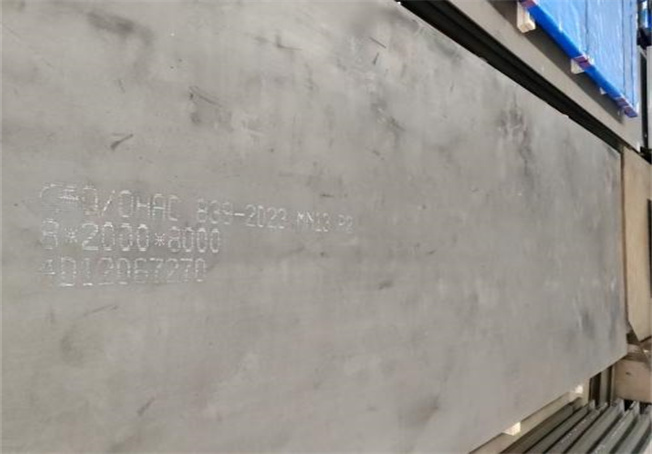
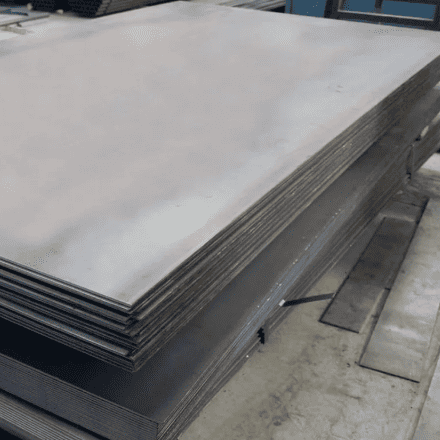
NM400 wear resistant steel plate is widely used due to its excellent hardness, abrasion resistance, and impact toughness. It is commonly applied in excavator buckets, mining truck bodies, crusher liners, hoppers, and various wear-resistant structural components.
However, as a high-hardness abrasion-resistant steel plate, NM400 typically has a Brinell hardness range of 370-430 HBW, which is significantly higher than ordinary carbon steel. Therefore, cutting NM400 requires more professional processing techniques. Improper cutting methods may cause problems such as excessive heat-affected zones, edge hardening, cracks, and dimensional deviations.
Choosing the correct cutting method for NM400 wear resistant steel plate and controlling key processing parameters are essential to ensure final component quality, improve production efficiency, and reduce additional processing costs.
What Is NM400 Wear Resistant Steel Plate?
NM400 is a high-strength abrasion-resistant steel plate designed for applications involving severe wear and impact conditions.
The designation “NM400” indicates:
- NM = Wear-resistant steel (Nai Mo)
- 400 = Approximate Brinell hardness level
Typical properties of NM400 include:
| Property | Value |
|---|---|
| Hardness | 370-430 HBW |
| Yield Strength | ≥1000 MPa |
| Tensile Strength | 1250-1450 MPa |
| Delivery Condition | Quenched and Tempered |
| Main Feature | High wear resistance and impact toughness |
Compared with ordinary structural steel plates, NM400 provides much higher hardness and strength, allowing equipment components to withstand longer periods of abrasion.
However, these excellent mechanical properties also make cutting and fabrication more challenging.
Why Is Cutting NM400 Wear Resistant Steel Plate Difficult?
Unlike conventional carbon steel plates, NM400 achieves its high hardness through alloying and quenching & tempering heat treatment. During cutting, several challenges need to be considered.
1. High Hardness Increases Cutting Difficulty
With a hardness range of 370-430 HBW, NM400 provides strong resistance during cutting operations.
If unsuitable cutting parameters are applied, problems may occur:
- Faster tool wear;
- Reduced cutting efficiency;
- Uneven cutting edges;
- Increased machining costs.
Therefore, professional cutting equipment and optimized cutting parameters are necessary.
2. Risk of Heat-Affected Zone (HAZ)
Thermal cutting methods such as flame cutting and plasma cutting generate high temperatures.
During cutting:
- The cutting edge is rapidly heated;
- The surrounding area cools quickly;
- The microstructure near the cutting edge may change.
This may result in:
- Increased edge hardness;
- Reduced toughness;
- Potential cracking during bending or welding.
Therefore, controlling heat input during cutting is critical to maintaining NM400 performance.
3. Risk of Cutting Cracks
Due to its combination of high strength and hardness, NM400 may develop edge cracks if improper cutting conditions are used.
Factors affecting crack formation include:
- Plate thickness;
- Cutting speed;
- Preheating temperature;
- Cooling rate;
- Material condition.
For thicker NM400 plates, preheating before flame cutting is often recommended to reduce thermal stress and prevent cracking.
Common Cutting Methods for NM400 Steel Plate
Different cutting methods can be selected depending on plate thickness, production requirements, and final application.
1. CNC Flame Cutting
CNC flame cutting is one of the most commonly used methods for thick NM400 wear resistant steel plates.
Advantages:
- Suitable for medium and thick plates;
- Lower processing cost;
- Suitable for large-scale production;
- Capable of cutting complex shapes.
Typical applications include:
- Mining equipment components;
- Heavy truck body plates;
- Large wear liners.
Processing Considerations:
For NM400 cutting, operators need to control:
- Oxygen pressure;
- Cutting speed;
- Flame temperature;
- Preheating process.
For thicker plates, preheating before cutting helps reduce the risk of cracking.
2. Plasma Cutting
Plasma cutting uses a high-temperature plasma arc to melt and remove steel material.
Advantages:
- Faster cutting speed;
- Higher processing efficiency;
- Suitable for medium-thickness NM400 plates;
- Smaller heat-affected zone compared with flame cutting.
Plasma cutting is commonly used for:
- Medium-thickness wear plates;
- Structural components;
- Customized steel parts.
However, improper parameters may still cause edge hardening, so professional adjustment is required.
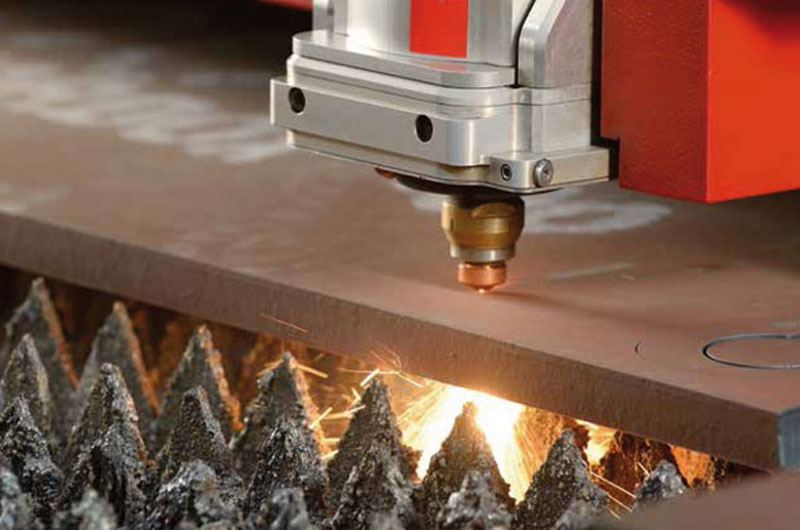
3. Laser Cutting
Laser cutting is a high-precision cutting method suitable for thinner NM400 plates.
Advantages:
- Excellent dimensional accuracy;
- Smooth cutting edges;
- Low deformation;
- Suitable for complex shapes.
Laser cutting is commonly used for:
- Precision wear-resistant components;
- Small and medium-sized parts;
- Customized fabrication projects.
For thicker NM400 plates, laser cutting capability depends on equipment power and plate thickness.
4. Water Jet Cutting
Water jet cutting uses high-pressure water mixed with abrasive materials to cut steel without generating significant heat.
Advantages:
- No heat-affected zone;
- No thermal deformation;
- Maintains original material properties;
- Suitable for precision cutting.
It is ideal for applications where heat input must be minimized or material properties must remain unchanged.
The main disadvantage is that processing speed is generally slower than thermal cutting methods.
Comparison of NM400 Cutting Methods
| Cutting Method | Advantages | Suitable Thickness | Main Applications |
|---|---|---|---|
| Flame Cutting | Low cost, suitable for thick plates | Medium to thick plates | Mining equipment, large structures |
| Plasma Cutting | Fast speed, high efficiency | Medium thickness | Industrial components |
| Laser Cutting | High precision, clean edges | Thin to medium plates | Precision parts |
| Water Jet Cutting | No heat impact | Various thicknesses | High-precision components |
Key Factors When Cutting NM400 Wear Resistant Steel Plate
1. Plate Thickness
Plate thickness is one of the most important factors affecting cutting method selection.
- Thin plates: Laser cutting or plasma cutting is preferred.
- Medium thickness plates: Plasma cutting or flame cutting can be used.
- Thick plates: CNC flame cutting is usually the most economical choice.
2. Cutting Speed
Cutting speed must be carefully controlled.
Too fast:
- Incomplete cutting;
- Rough edges;
- Increased stress concentration.
Too slow:
- Excessive heat input;
- Larger heat-affected zone;
- Higher processing costs.
3. Preheating Before Cutting
For thicker NM400 plates, preheating can effectively reduce thermal stress.
Benefits include:
- Lower risk of edge cracking;
- More stable cutting quality;
- Improved fabrication performance.
4. Edge Treatment After Cutting
After cutting, additional processing may be required, including:
- Grinding;
- Edge smoothing;
- Chamfering;
- Quality inspection.
This is especially important for components requiring welding or bending.
Applications of Cut NM400 Wear Resistant Steel Plate
After cutting and fabrication, NM400 plates are widely used in:
Mining Industry
- Crusher liners;
- Mining truck bodies;
- Ore chutes;
- Screening equipment.
Construction Machinery
- Excavator buckets;
- Loader buckets;
- Bulldozer blades;
- Concrete mixer liners.
Heavy Industrial Equipment
- Conveyor wear plates;
- Storage bins;
- Hopper liners;
- Steel plant equipment.
Professional NM400 Cutting and Fabrication Services We Provide
As a professional supplier of NM400 wear resistant steel plate, we provide not only raw material supply but also customized processing solutions.
Customized Cutting Services
We provide:
- CNC flame cutting;
- Plasma cutting;
- Laser cutting;
- Water jet cutting;
- CNC machining.
According to customer drawings, we can supply finished or semi-finished wear-resistant components.
Quality Inspection After Cutting
To ensure processing quality, we conduct inspections including:
- Dimensional inspection;
- Cutting edge inspection;
- Hardness testing;
- Surface quality inspection;
- Ultrasonic testing when required.
These inspections ensure that processed NM400 components meet project requirements.
Export Packaging and Delivery
For international customers, we provide:
- Rust protection treatment;
- Steel frame packaging;
- Secure loading;
- Export transportation solutions.
This ensures NM400 wear-resistant steel plates arrive safely while maintaining product quality during transportation.
Cutting NM400 wear resistant steel plate requires professional equipment, suitable processing parameters, and experienced operators due to its high hardness and strength.
Flame cutting is commonly used for thick NM400 plates, plasma cutting provides higher efficiency for medium thickness plates, laser cutting offers precision for smaller components, and water jet cutting is suitable for applications requiring minimal heat input.
By selecting the correct cutting method and controlling key processing factors, NM400 can maintain its excellent wear resistance and mechanical properties while being transformed into reliable components for mining, construction machinery, and heavy industrial applications.
With professional cutting capabilities and strict quality control, we can provide complete NM400 wear-resistant steel solutions from raw material supply to customized fabrication.